Measuring the Success of Interdisciplinary Research
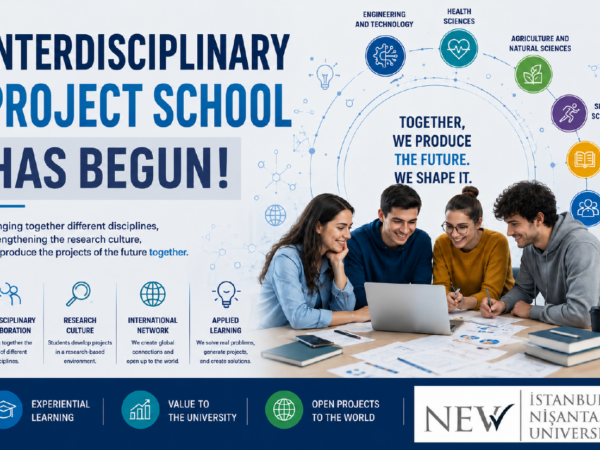
Istanbul Nişantaşı University considers interdisciplinary research a key component of its research strategy. The university actively encourages collaboration among faculties, research centers, and academic units to address complex challenges that require the integration of multiple disciplines.
The success of interdisciplinary research is systematically monitored, evaluated, and supported through institutional mechanisms, research outputs, and collaborative initiatives.
Key Indicators of Interdisciplinary Research Success
The university evaluates interdisciplinary research through several measurable indicators:
Interdisciplinary Research Projects
The university supports collaborative research projects involving researchers from different academic disciplines. These projects often combine expertise from areas such as health sciences, food sciences, engineering, digital technologies, social sciences, communication, architecture, and sustainability studies. For details please see our projects web site: https://bilimsel.nisantasi.edu.tr/ulusal-projeler/ and https://bilimsel.nisantasi.edu.tr/uluslararasi-projeler/
Joint Academic Publications
Istanbul Nişantaşı University has established a robust framework for interdisciplinary scientific research, centered on its “NeoTech” vision and the integration of diverse academic fields. This approach is exemplified by institutional initiatives such as the “Interdisciplinary Graduate Seminars,” which facilitate methodological exchange and collaboration between researchers in social, health, and engineering sciences.
To support these endeavors, the university utilizes advanced digital archiving systems like DSpace and the international publishing standards of INU Press, ensuring that multidisciplinary outputs -ranging from healthcare technology to aviation management- remain accessible to the global academic community.
Recent scientific outputs highlight a strong synergy between health sciences, technology, and social issues, such as the application of artificial intelligence in nursing education and the multidisciplinary coordination required for complex surgical procedures like pygopagus twin separations. Beyond clinical research, the university’s scientific contributions extend to environmental sustainability and crisis management, evidenced by studies on Pop Art’s impact on sustainable design and interdisciplinary analyses of post-disaster debris management. These projects demonstrate a commitment to solving complex real-world problems through integrated scientific perspectives and innovative research methodologies.
Most Impactful Publications and Institutional Monitoring of Interdisciplinary Research
Istanbul Nişantaşı University evaluates interdisciplinary research as a core component of its research development model. The University approaches interdisciplinarity as a research capacity that is produced, monitored, supported, and recognized at both institutional and individual levels.
Within this framework, the University provides clear and measurable indicators of interdisciplinary research success. Its research profile demonstrates a strong and quantifiable interdisciplinary character. In the five-year period 2021-2025, 1,783 of the University’s 1,946 publications (91%) (counting only articles, reviews, conference papers, books, and book chapters) were tagged in Scopus with more than one ASJC field. This ratio indicates that interdisciplinary interaction reflects a broad institutional pattern rather than isolated cases.
The strength of this profile is also reflected in research quality and impact. Publications tagged by Scopus as “Multidisciplinary” achieve an average citation impact of 1.65, meaning that they perform 65% above the global average, even when recent publications with no citations yet recorded are included in the calculation. This reflects not only publication volume but also the quality, cross-disciplinary relevance, and impact of research outputs.
Further evidence is observed in research linked to global challenge areas. Over the same period, İstanbul Nişantaşı University produced 1,065 publications tagged by Scopus with more than one Sustainable Development Goal (SDG). These publications averaged 22.6 citations per publication and a field-weighted citation impact of 2.37. This demonstrates that interdisciplinary outputs are positioned at the intersection of socially relevant, internationally visible, and high-impact knowledge production.
The University also adopts a granular approach to monitoring interdisciplinarity by yearly reports and through reporting mechanisms within quality assurance processes. In addition to institutional indicators such as publication volume, citation impact, Q1 share, and SDG overlap, researcher-level indicators are used to assess disciplinary breadth. One such measure is “subject area main category count,” which serves as a proxy for the extent of cross-disciplinary engagement. According to this indicator, 51% of the University’s researchers are involved in research spanning five or more main subject areas. Also activities and publications related to the Sustainable Development Goals (SDGs) can also be accessed through the university’s sustainability platform: https://surdurulebilirlik.nisantasi.edu.tr/yayinlar/
Importantly, these measures are actively used within an institutional monitoring framework. At the institutional level, publication portfolios, citation performance, SDG overlap, and cross-disciplinary output patterns are systematically reviewed as part of research development and positioning processes.
Interdisciplinary Conferences and Academic Events
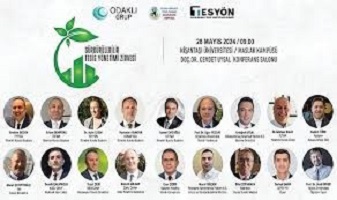
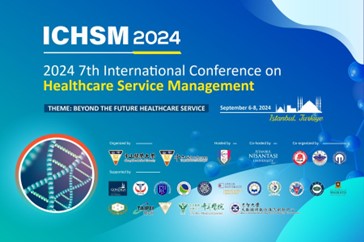
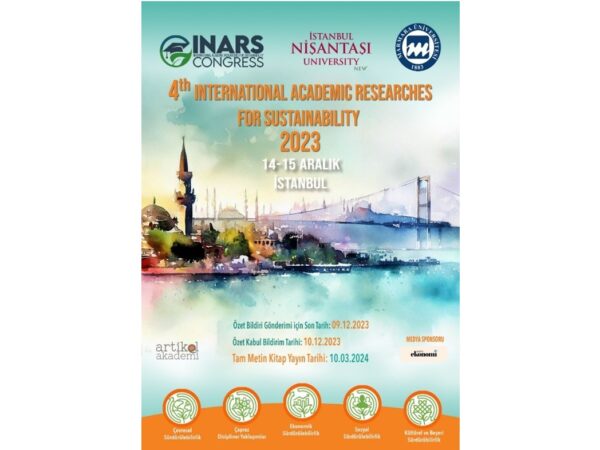
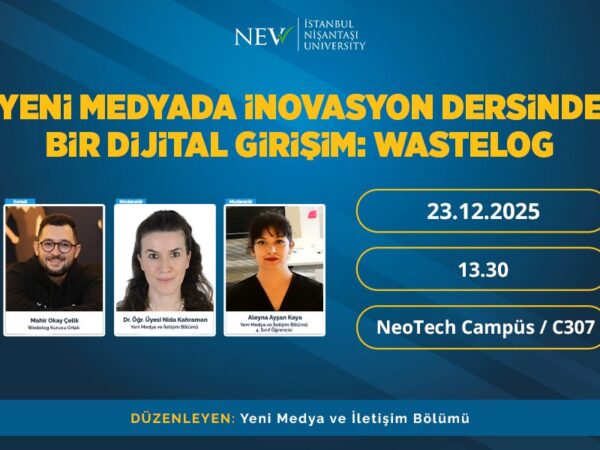
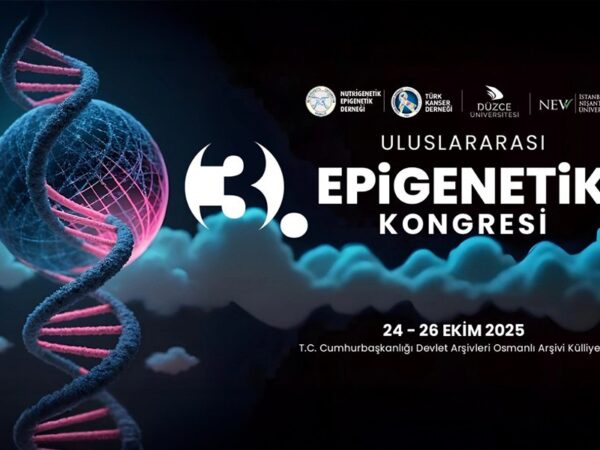
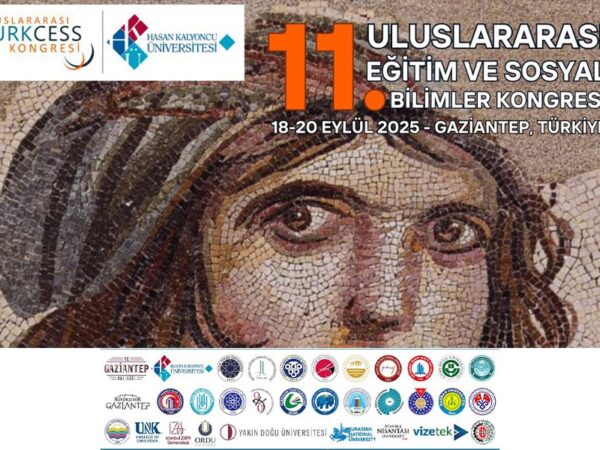
The university regularly organizes congresses, seminars, and workshops that bring together scholars from multiple disciplines to discuss emerging research topics and global challenges. These activities demonstrate the university’s commitment to fostering cross-disciplinary knowledge exchange and collaborative research.
Recent examples include: